Many families from Odisha now live in the Gulf, the US, the UK, Singapore or Australia, and a home in Bhubaneswar is often the first big investment back home: a place for parents, a base for visits, or a home to retire to.
Buying from abroad is straightforward once you know the rules. This guide explains what NRIs can buy, how to pay, how home loans work, how to complete the purchase without flying in for every step, and the tax points to plan for. It is general information, so please confirm your own situation with a chartered accountant.
Can NRIs buy a flat in India?
Yes. Under the Foreign Exchange Management Act (FEMA), Non-Resident Indians (NRIs) and Overseas Citizens of India (OCIs) can buy residential and commercial property in India without any permission from the Reserve Bank of India. There is no limit on the number of flats you can buy.
What NRIs and OCIs cannot buy is agricultural land, plantation property or a farmhouse, unless it is inherited. A flat in an approved apartment project is not affected by this restriction.
How to pay
All payments must go through normal banking channels in Indian rupees, either:
- as money sent from abroad (an inward remittance), or
- from your NRE, NRO or FCNR account in India.
You cannot pay in foreign currency notes or traveller's cheques. Keep every bank statement and receipt, because you will need them to show where the money came from if you sell the flat and want to send the proceeds abroad later.
Home loans for NRIs
Most Indian banks and housing finance companies lend to NRIs for buying a flat. Typically you will need:
- your passport and visa or residence permit;
- your employment contract and recent salary slips;
- overseas and Indian bank statements;
- your PAN card;
- the property documents from the developer.
EMIs are paid from your NRE or NRO account or by remittance. Many banks prefer, and some require, a resident family member as co-applicant. Choose a project that banks have already approved, so the bank's legal check is quick. Our home loan guide for first-time buyers in Odisha explains loan limits, stamp duty and registration charges in detail.
Buying without flying in for every step
Follow the project remotely
Before you commit, look at the project's RERA page and its progress updates, and ask for photos and videos of the site. For our own project you can follow the build week by week in our construction updates, with workers on site and work completed. It helps to have one trusted family member in Bhubaneswar visit the site on your behalf.
Use a power of attorney for registration
The sale agreement and the sale deed have to be registered at the sub-registrar's office. If you can't be present, you can give a trusted relative a specific power of attorney (PoA) to do this for you. If you sign the PoA abroad:
- Sign it before the Indian embassy or consulate in your country of residence, which attests it.
- Send the original to India.
- Within three months of it reaching India, have it stamped (adjudicated) by paying the stamp duty set by Odisha, and register it if required.
Keep the PoA specific to this one property and purpose. A broad general PoA gives far more control than you need.
Taxes to plan for
1% TDS when you buy
If you buy a flat worth ₹50 lakh or more from a resident seller, such as a developer in Odisha, the buyer must deduct 1% of the price as TDS and deposit it with the Income Tax Department. This applies to NRI buyers too. You will need a PAN, and your bank or CA can file the TDS form for you.
Stamp duty and registration
These are paid at registration, at Odisha's rates, just as for a resident buyer. See our home loan guide for the current rates and a worked example.
If you rent the flat out
Rental income from a flat in India is taxable in India. A tenant paying rent to an NRI landlord may have to deduct TDS, so talk to your CA before you sign a rental agreement.
Selling later and sending the money abroad
If you sell, the buyer must deduct TDS on the sale, and the proceeds first go to your NRO account. Under RBI rules, NRIs can repatriate the sale proceeds of up to two residential properties to the extent they were bought with money from abroad or from NRE/FCNR accounts. Other amounts can be sent from the NRO account up to USD 1 million per financial year, after tax and with a chartered accountant's certificate (Forms 15CA and 15CB). Keeping your original payment records makes this much easier.
A checklist for NRI buyers
- Check the project's RERA registration and its progress updates.
- Check the documents: title, encumbrance certificate, approved plan and the agreement for sale. Use our documents checklist.
- Get your PAN in place, and decide whether you will pay from an NRE, NRO or FCNR account.
- Get a home loan sanction letter before you book, if you are borrowing.
- Draft a specific power of attorney for a trusted relative, and get it attested at the embassy.
- Plan the 1% TDS on the purchase price.
- Keep every payment record for future repatriation.
Why Bhubaneswar, and why Pathargadia
For families from Odisha, Bhubaneswar has the hospitals, schools and airport links that make it the practical choice for a home your parents can live in now and you can return to later. Pathargadia, near Patia, is a quieter residential area within a few minutes of KIIT, KIMS hospital and Infocity. Read more in our guide to living in Pathargadia, and if you are buying for elderly parents, see why ground floor flats can be the most practical choice.
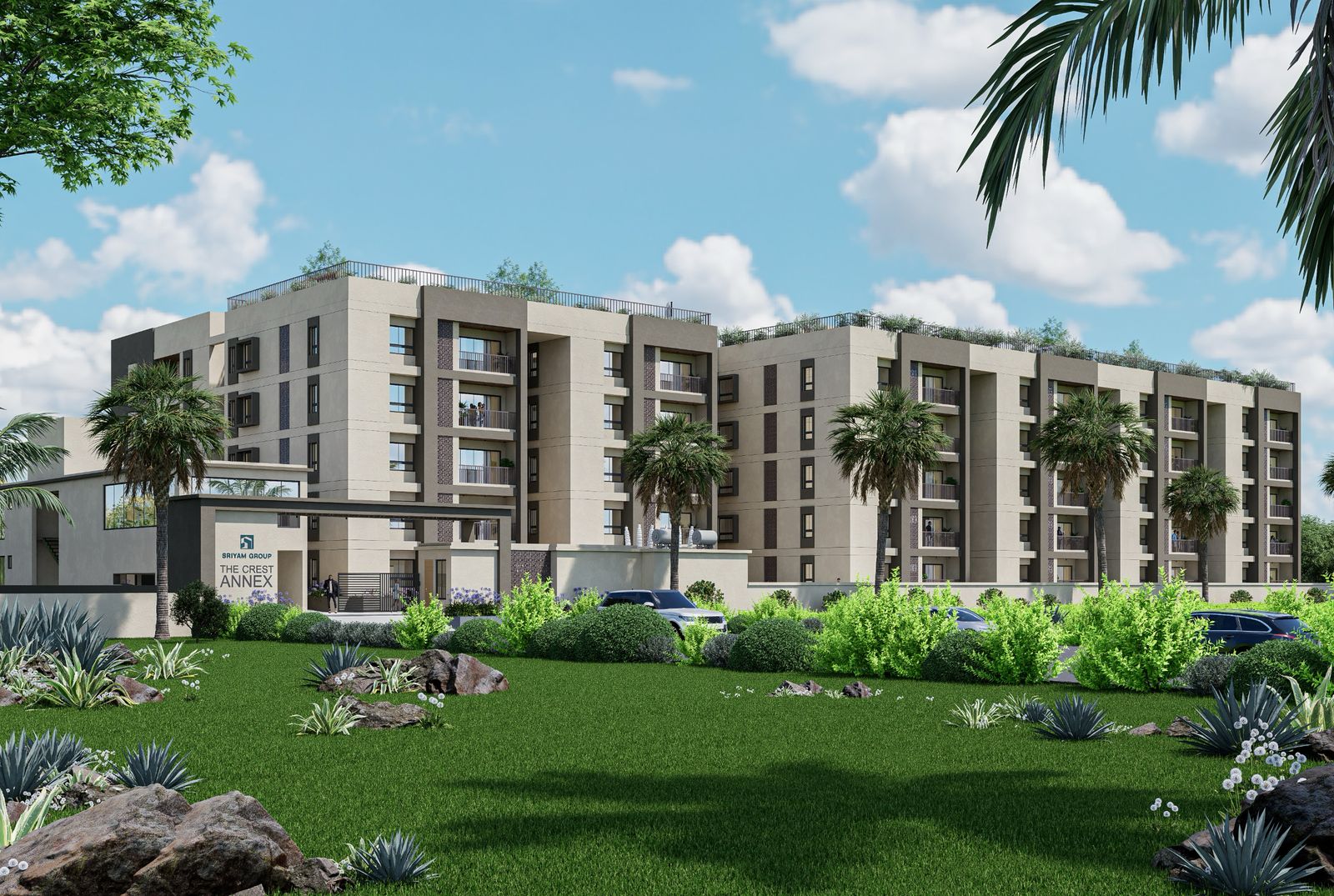
The Crest Annex is our RERA-registered 3BHK project in Pathargadia (RP/19/2023/00931), with possession in February 2027. WhatsApp us on +91 99380 18789 from wherever you are, or ask a family member to book a site visit.
Frequently Asked Questions
Can an NRI buy a flat in Bhubaneswar?
Yes. NRIs and OCIs can buy residential property in India, including flats in Bhubaneswar, without RBI permission. Only agricultural land, plantations and farmhouses are restricted.
Can an NRI pay for a flat from an NRO account?
Yes. Payments can be made from NRE, NRO or FCNR accounts, or by remittance from abroad through normal banking channels. Payments in foreign currency notes are not allowed.
Can NRIs get a home loan for a flat in Odisha?
Yes. Most Indian banks lend to NRIs, usually with proof of overseas income, a PAN and often a resident co-applicant. EMIs are paid from NRE or NRO accounts.
Do I need to be in India to register the flat?
No. You can give a trusted relative a specific power of attorney. If you sign it abroad, get it attested at the Indian embassy or consulate and stamped in India within three months of it arriving.
Does an NRI buyer have to deduct TDS?
Yes. If the flat costs ₹50 lakh or more and the seller is resident in India, the buyer, including an NRI buyer, must deduct 1% TDS and deposit it with the Income Tax Department.
About the Author